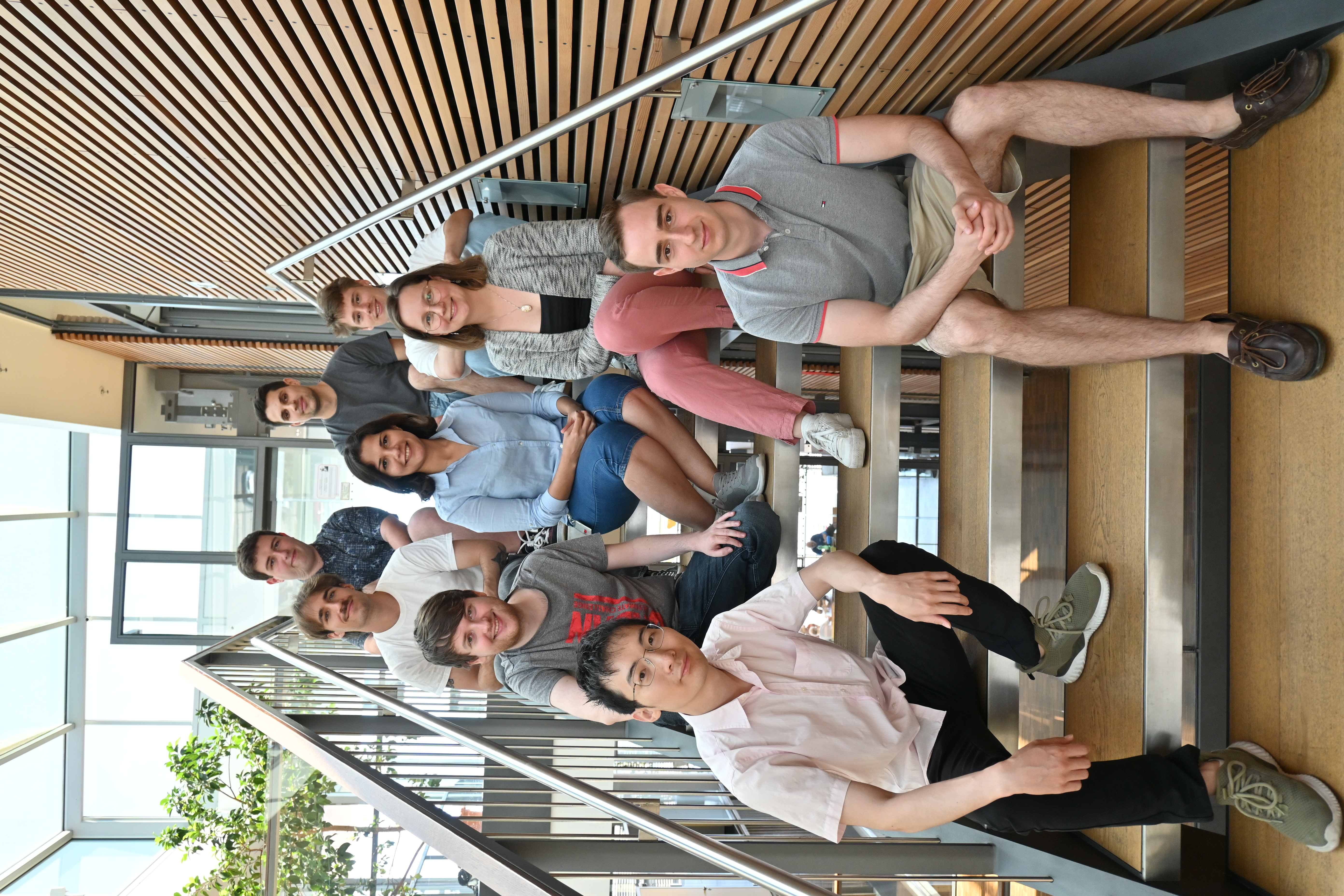
Welcome to
Elhabashy Lab
Artificial Intelligence in Protein Science
About Us
Protein–protein interactions underpin nearly all biological processes in health and disease. Yet fundamental questions remain unresolved: which proteins interact, how these interactions are established, through which conformational landscapes they are mediated, and what functions they ultimately perform. This knowledge gap limits our understanding of cellular systems and constrains progress in biomedical research. Evolution provides powerful guidance. Proteins are products of billions of years of natural selection, and their sequences encode the physical and functional constraints that govern molecular recognition and interaction. Deciphering this information is key to revealing the principles that shape biological organization. The recent expansion of sequence and structural databases, alongside high-throughput experimental technologies, now offers an unprecedented opportunity to uncover these evolutionary principles and to study protein interactions at scale.
In our laboratory, we develop evolution-informed computational frameworks that integrate artificial intelligence, computational biophysics, and bioinformatics to systematically map and characterize protein interactions within and across species. Close collaboration with experimental partners enables rigorous model validation and iterative refinement, ensuring both accuracy and biological relevance. Our mission is to achieve a quantitative, molecular-level understanding of cellular systems and to translate these insights into transformative applications in precision medicine—advancing diagnostics, enabling targeted therapeutics, and deepening our understanding of human health and disease.
Join us
We are always looking for motivated PhD and Master’s students interested in exploring life at the molecular level using computational and theoretical approaches. Applicants with backgrounds in both bioscience and computational disciplines (e.g., bioinformatics, computational biophysics, computational biology, etc.) are especially encouraged to apply. Please send your CV, academic certificates and transcripts, motivation letter, and names and contact details of two references to Hadeer Elhabashy (hadeer.elhabashy [a] uni-bayreuth.de).
Resources
Here you can find resources and software developed by the group
Team

Hadeer Elhabashy
Junior ProfessorGroup Leader
University of Bayreuth
Max Planck Institute for Biology Tübingen
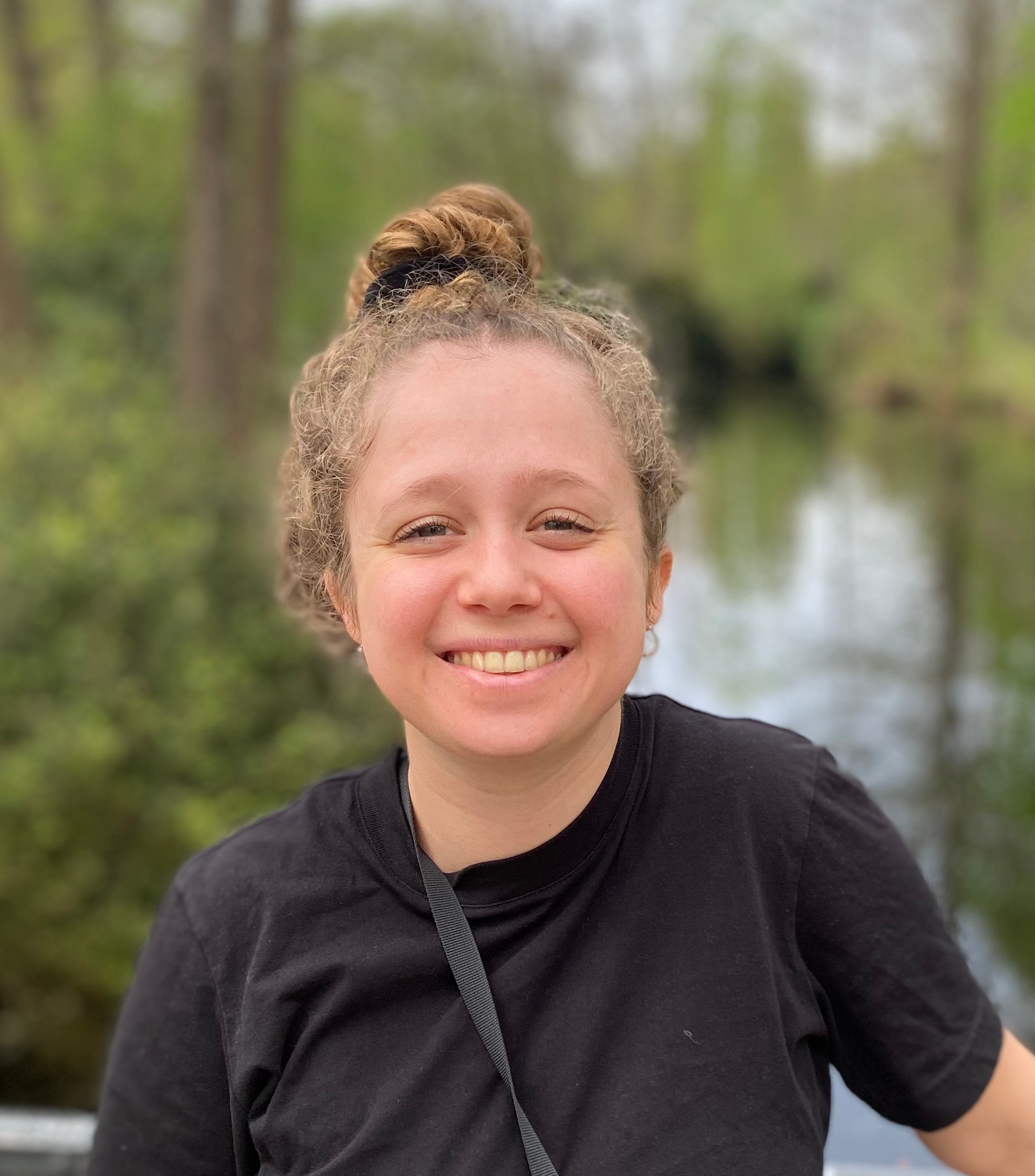
Sarah Hüwels
Computational technical assistantFormer Master’s student
Max Planck Institute for Biology Tübingen
University of Tübingen
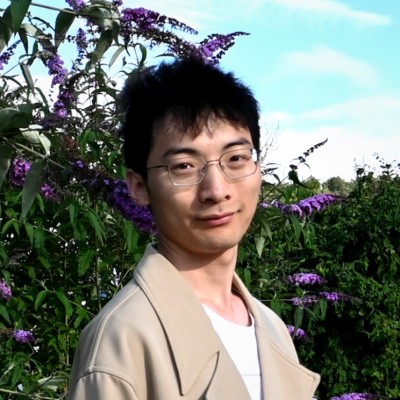
Hoaran Sun
Collaborating PhD researcherMax Planck Institute for Biology Tübingen
University of Tübingen
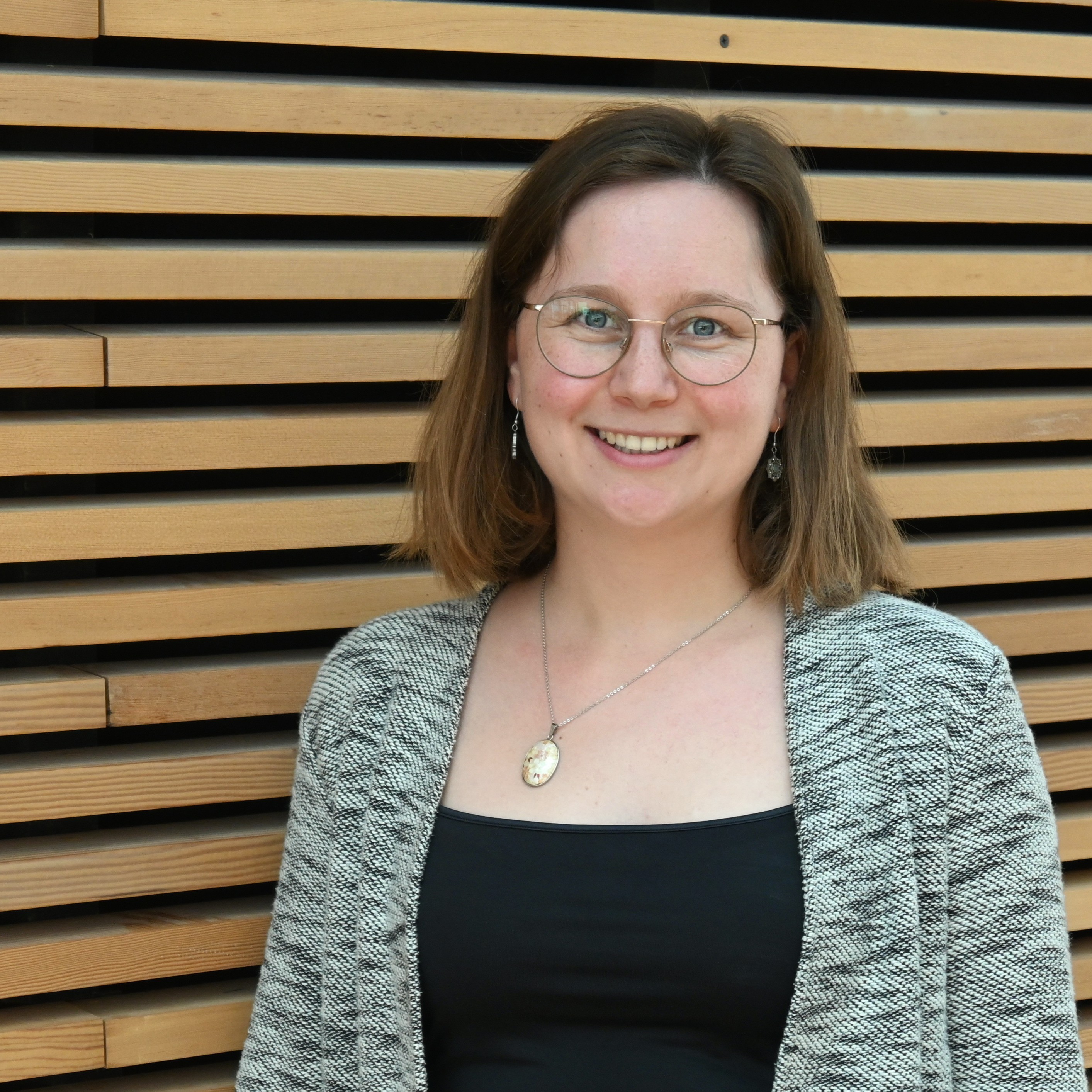
Gesa Freimann
Collaborating PhD researcherFormer Master’s student
Max Planck Institute for Biology Tübingen
University of Tübingen

Gregor Habitzreither
Master's studentUniversity of Tübingen

Wanchan Zhang
Master's studentUniversity of Tübingen

Nele Jaeger
Bachelor's studentUniversity of Tübingen
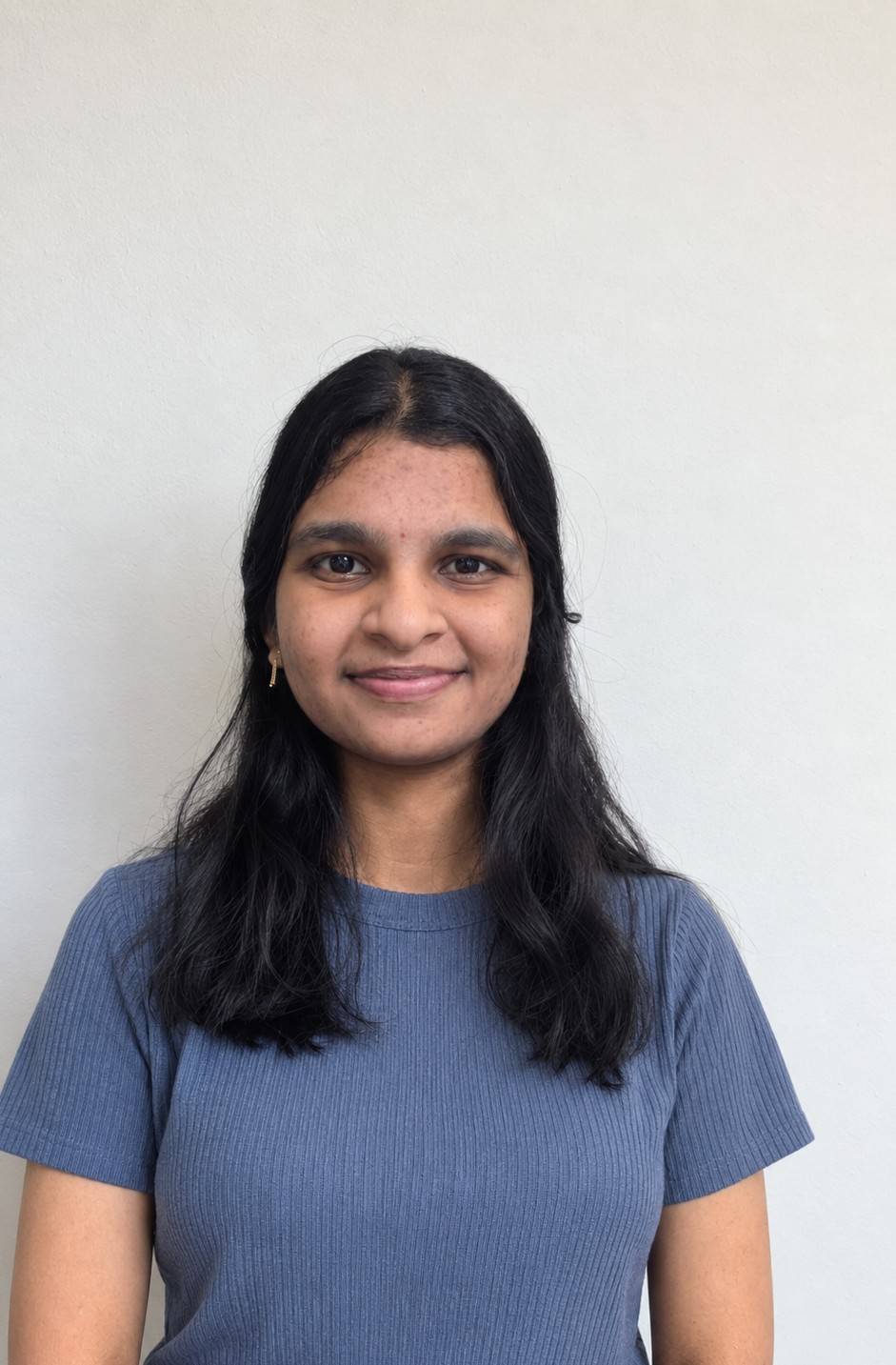
Sriveni Reddy
Former Research assistantUniversity of Bayreuth
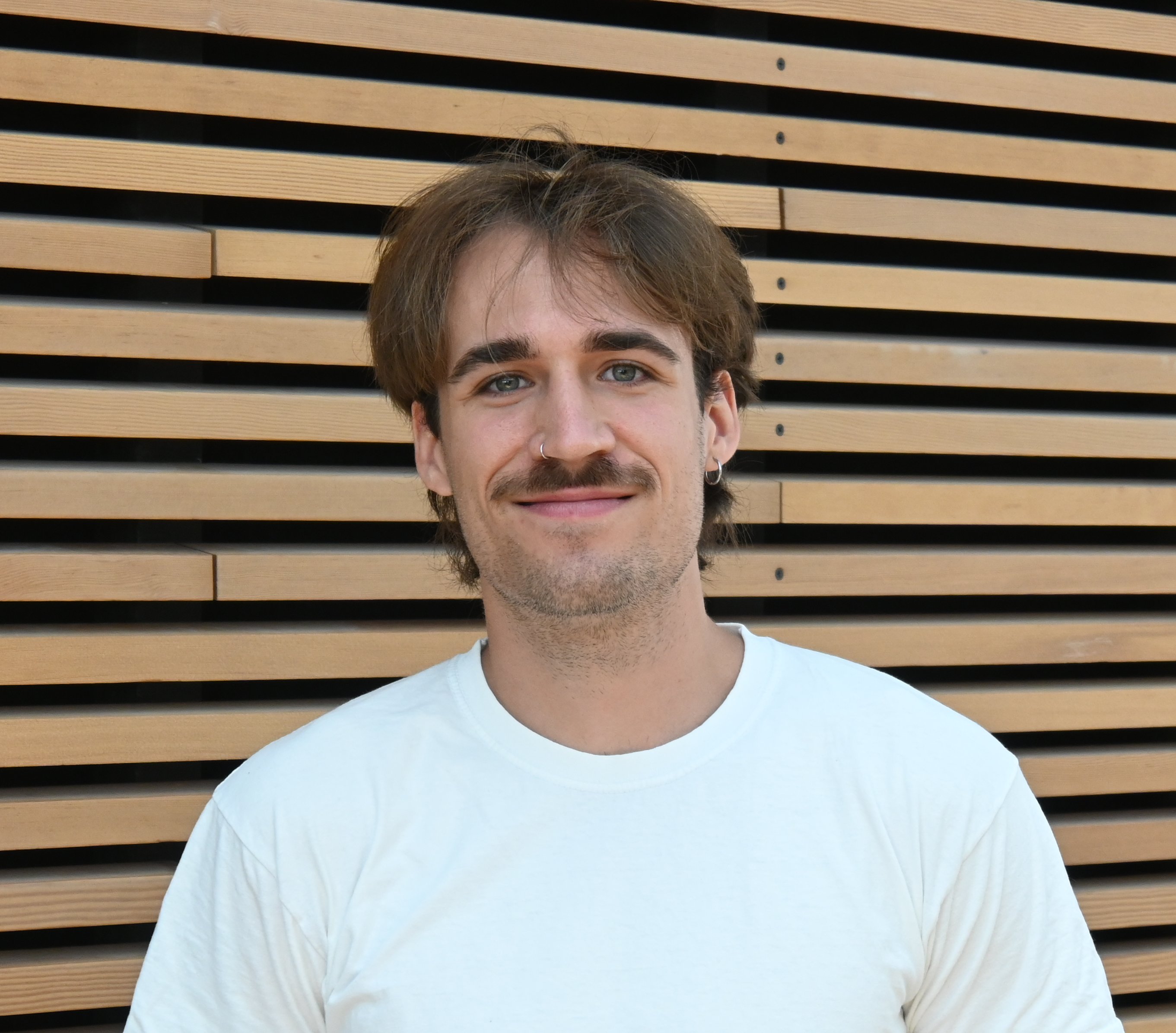
Aron Wichtner
Former Research assistant
Former Bachelor's student
University of Tübingen
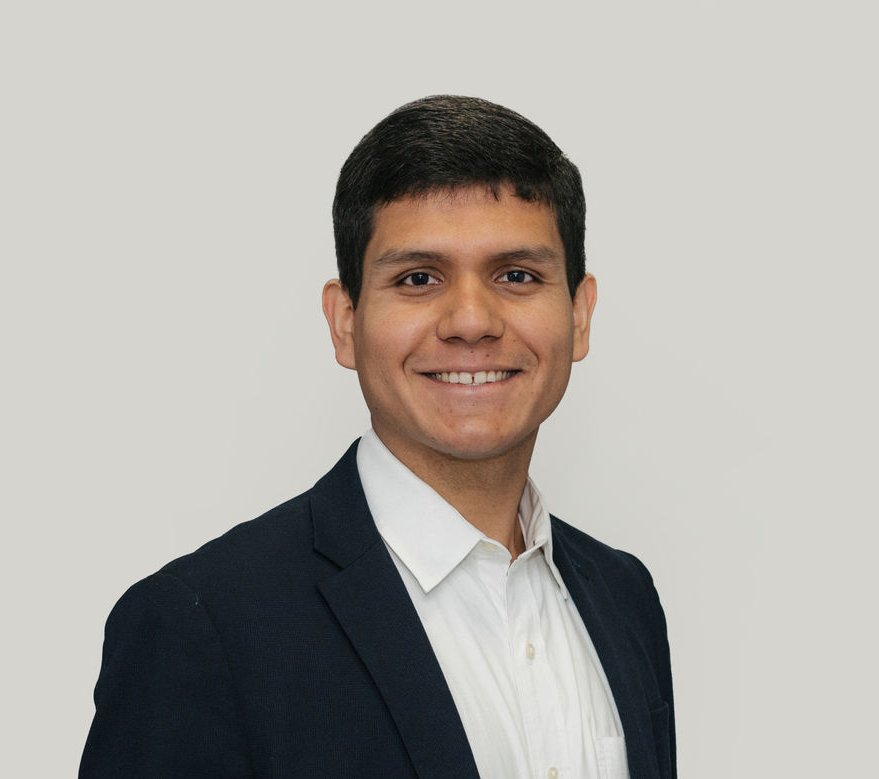
Raul-adrian Tapia-cotto
Former Bachelor's studentUniversity of Tübingen

Jakob Jonischkeit
Former Bachelor's studentUniversity of Tübingen
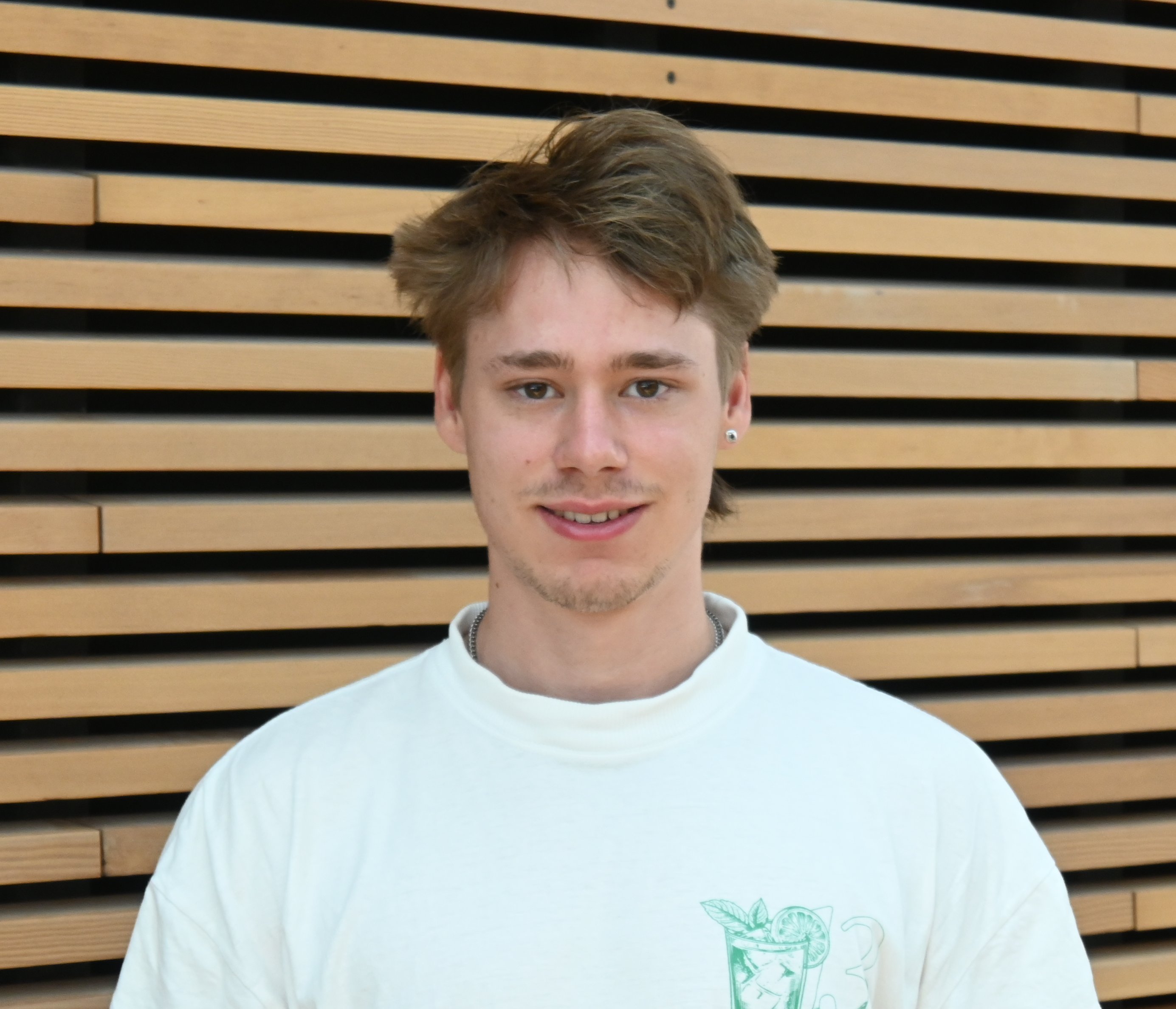
Markus Baier
Former Bachelor's studentUniversity of Tübingen
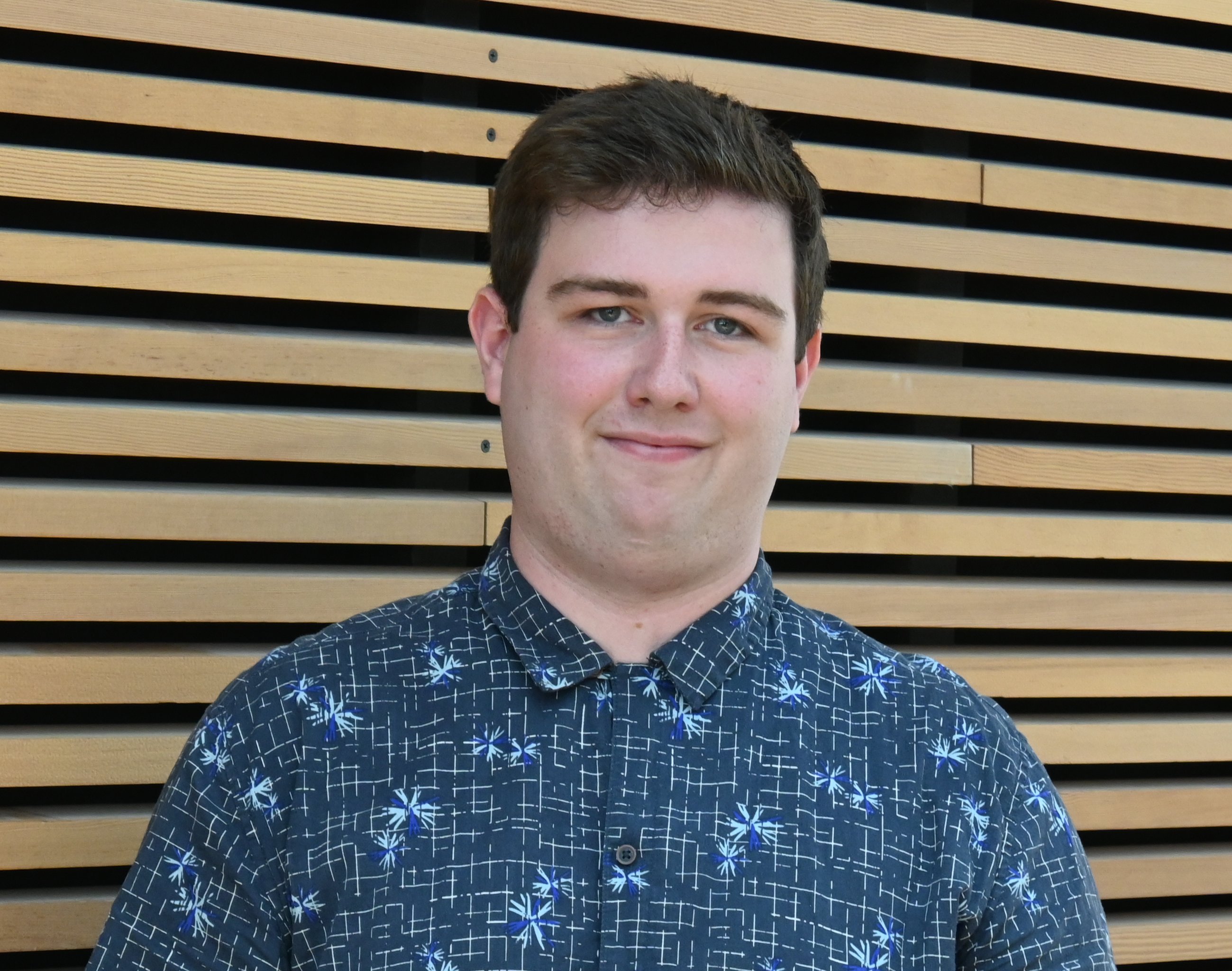
Tobias Löser
Former Master's studentUniversity of Tübingen

Franziska Sassen
Former Master's studentUniversity of Tübingen

Mujtaba Husaini
Former Research assistantUniversity of Tübingen
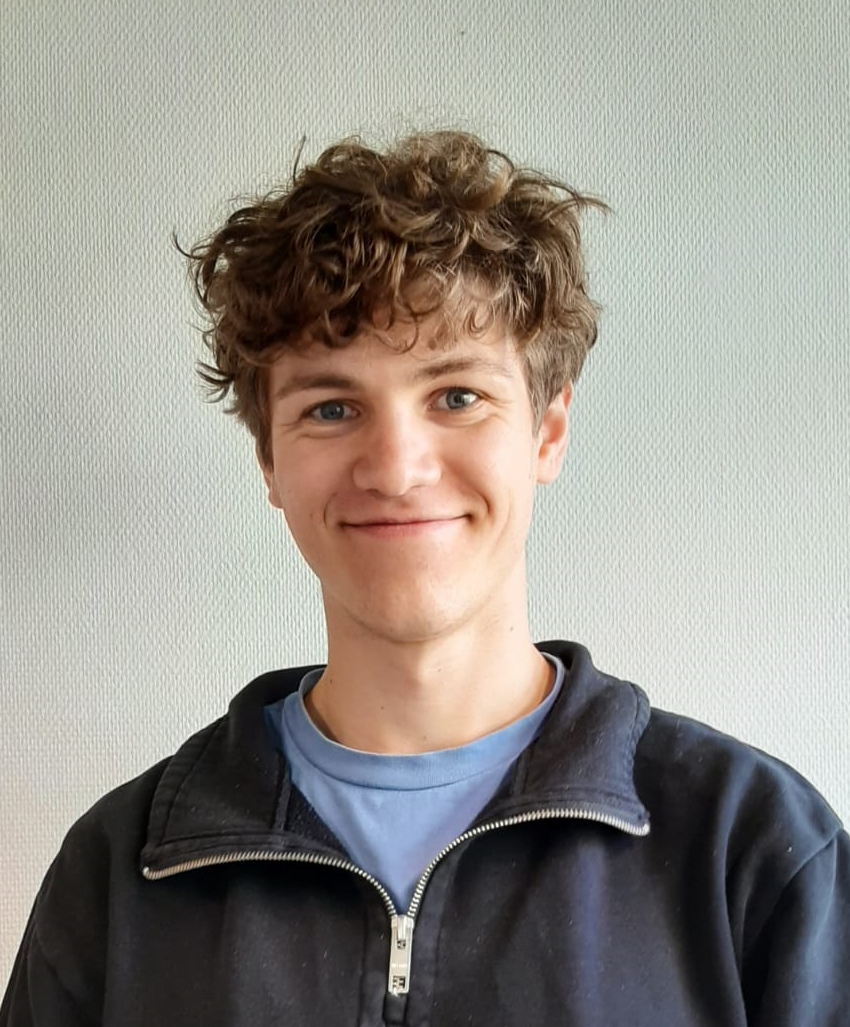
Michael Mederer
Former Master’s studentUniversity of Tuebingen
Yimeng You
Former research assistantUniversity of Tuebingen
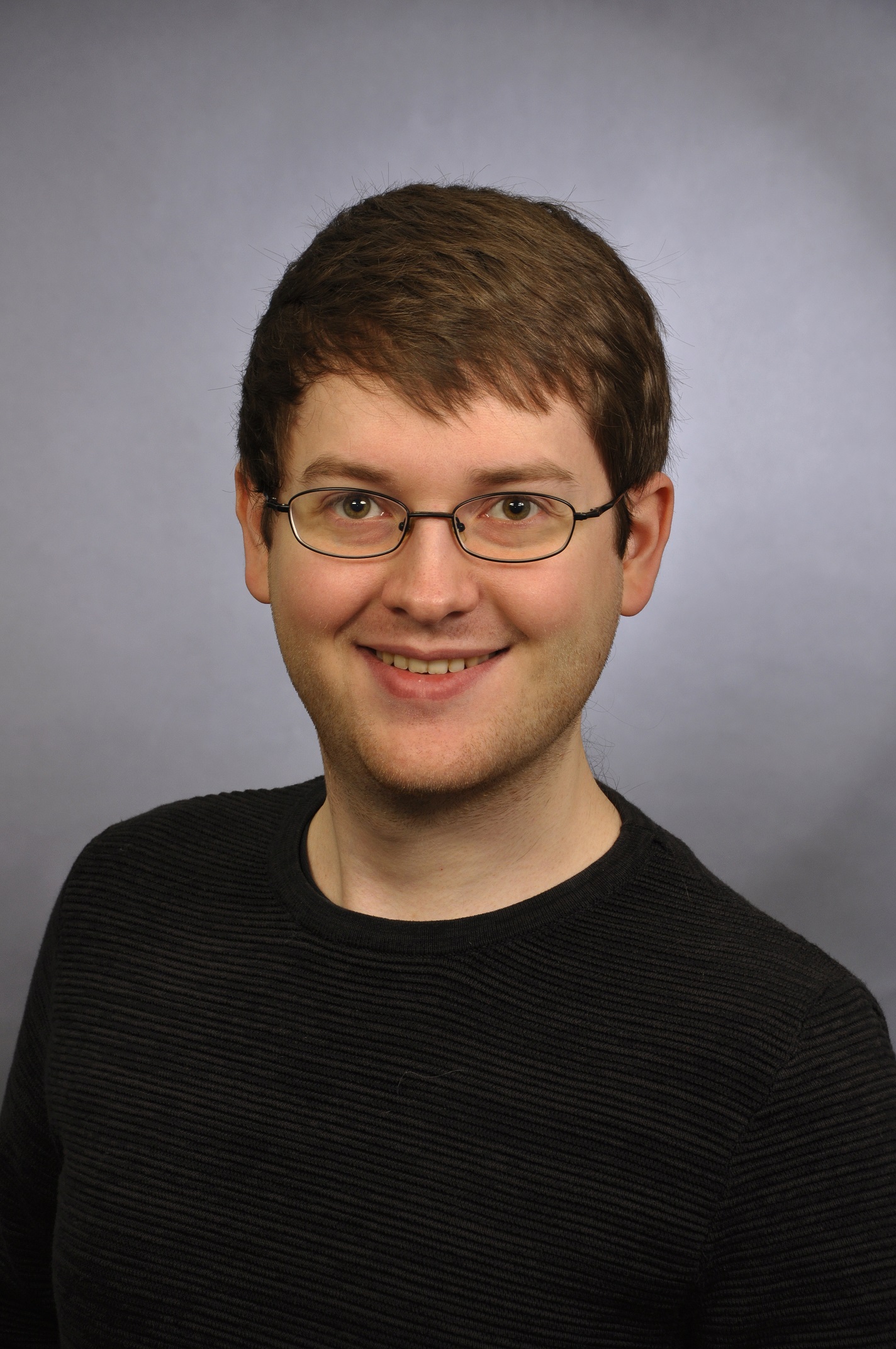
Alexander Röhl
Former Master’s studentUniversity of Tuebingen
Benjamin Kästle
Former Master’s studentUniversity of Tuebingen
Contact
Elhabashy Lab
Prof. Dr. Hadeer Elhabashy
✉ hadeer.elhabashy [a] uni-bayreuth.de
☎ +49 (0)921 / 55-7970
University of Bayreuth
Building: NW IV, room: 0.04
Universitätsstraße 30
95447 Bayreuth